Photography Became Content Instead of Journalism
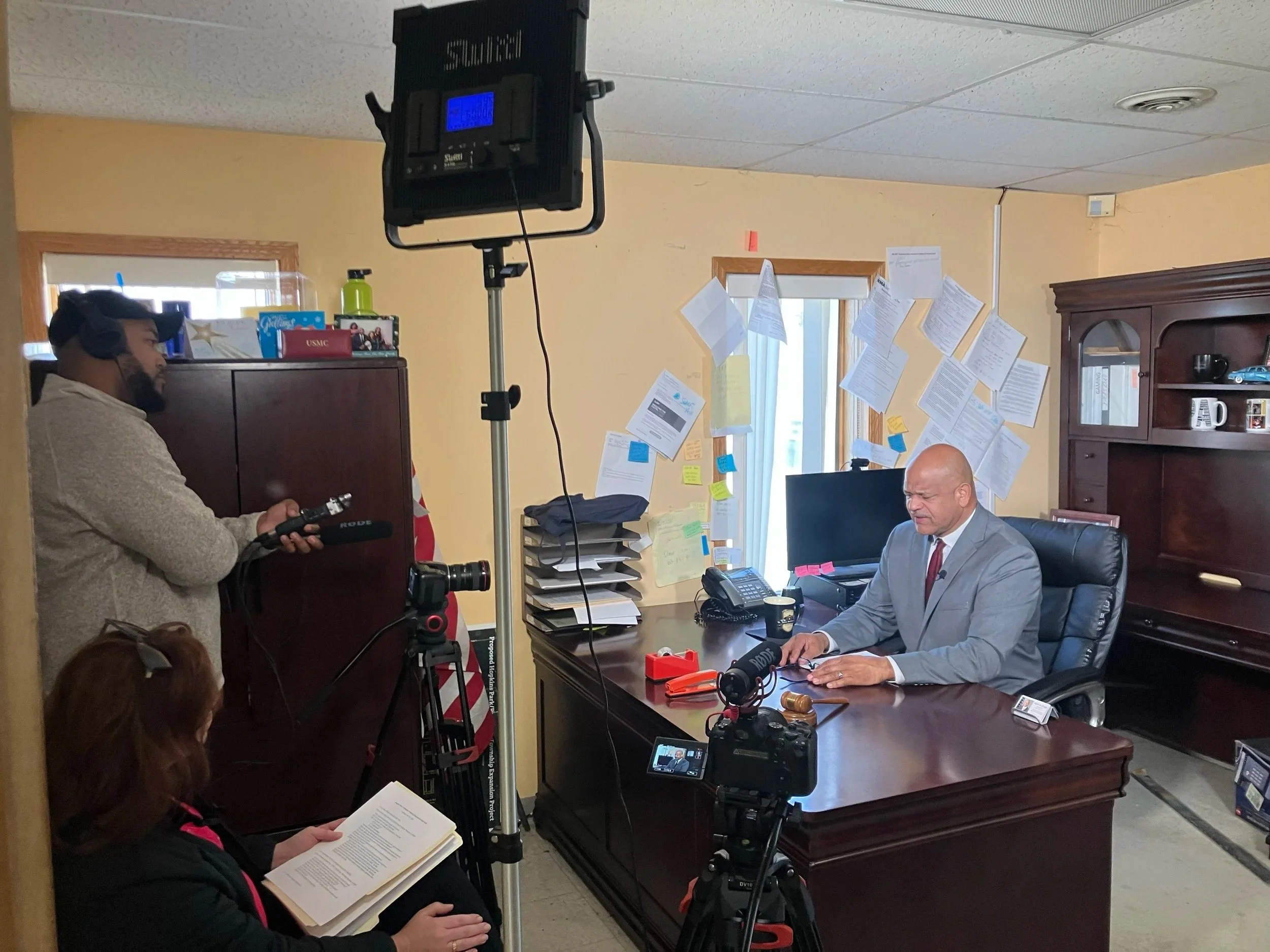
The visual media industry has changed dramatically over the last two decades.
There was a time when photography was primarily tied to journalism, documentation, and storytelling. Newspapers, magazines, and media outlets relied on photographers to help communities understand the world around them. Images documented politics, education, sports, business, culture, and everyday life with the goal of informing audiences.
Photography carried weight because it was connected to observation and truth. Photojournalists were trained to anticipate moments, adapt quickly, and communicate stories under pressure. The work was not simply about creating attractive images. It was about documenting reality.
Today, the visual landscape operates very differently.
Photography has evolved into something much larger than editorial coverage alone. Businesses, universities, nonprofits, healthcare organizations, municipalities, and corporations now require continuous streams of visual communication across websites, social media platforms, digital advertising, internal communications, conferences, recruitment campaigns, and public relations efforts.
Photography became content.
That shift changed not only the industry, but also the role photographers play within organizations.
The Rise of Visual Communication
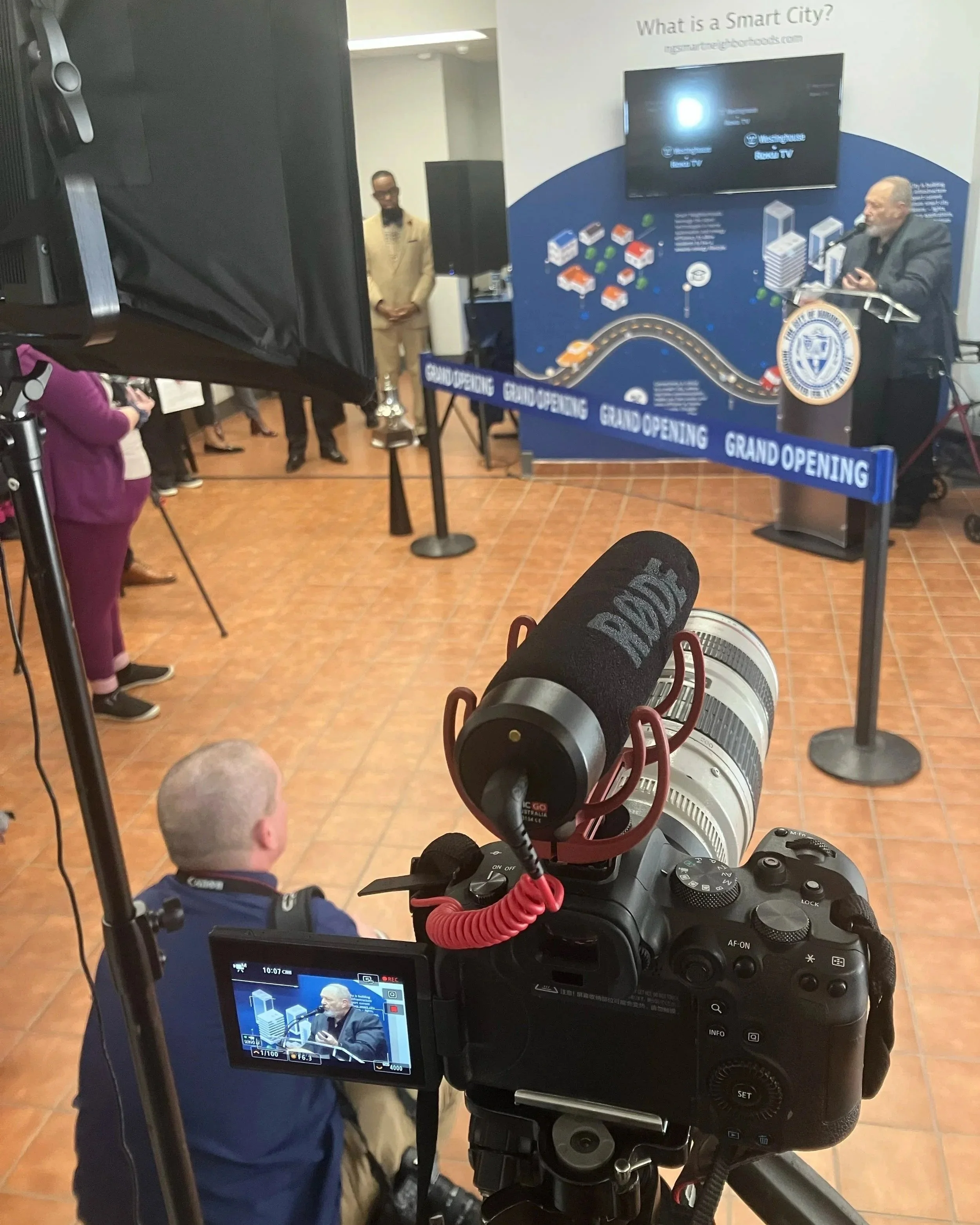
Modern organizations are no longer competing for attention once a year through a brochure or advertising campaign. They are communicating daily across dozens of platforms simultaneously.
A single event may now require:
photography,
video production,
social media assets,
short-form reels,
branded interviews,
same-day delivery,
website updates,
public relations imagery,
and long-term visual archives.
Visual storytelling has become part of organizational infrastructure.
As a result, businesses are no longer simply hiring photographers to document moments. They are hiring creative partners to help communicate identity, mission, culture, and public trust.
The demand for visual communication exploded, but in many ways the internet also created a new problem. Organizations now produce enormous amounts of content, yet much of it feels repetitive, staged, or disconnected from real human experiences.
Everything begins looking the same.
Perfect lighting.
Generic captions.
Overproduced branding.
Content designed for algorithms instead of people.
That creates a major opportunity for authentic storytelling.
The Death of the Traditional Assignment Photographer
As traditional newsroom budgets collapsed, many photographers lost not only jobs, but also the institutional structure that supported documentary work. Entire generations of visual journalists suddenly had to reinvent themselves inside a digital economy driven by branding, engagement metrics, social media, and rapid content production.
The camera did not disappear.
The business model changed.
Many photographers adapted by moving into commercial work, corporate events, weddings, branded content creation, documentary filmmaking, and social media marketing. Some resisted the transition. Others embraced it. Most simply learned how to survive inside a rapidly evolving media environment.
At Press Photography Network, we experienced that transition firsthand.
What we began realizing over time was that clients were no longer simply asking for photography. They were asking for communication systems supported by visual storytelling.
Organizations needed:
conference coverage,
promotional video,
campaign storytelling,
educational marketing content,
recruitment media,
documentary-style interviews,
public relations visuals,
branded social media assets,
and strategic communication support.
The camera became one piece of a much larger ecosystem.
From Photography Company to Storytelling Agency
Several years ago, we began recognizing that the role of modern visual media companies was evolving far beyond traditional photography services.
Clients no longer wanted disconnected creative vendors handling isolated tasks. They needed collaborative teams capable of helping them communicate across multiple platforms at once.
That shift pushed us to rethink what Press Photography Network could become.
Rather than operating solely as a photography company, we began expanding toward a broader storytelling and communications model that combines:
photography,
video production,
documentary storytelling,
campaign development,
public-facing media,
design collaboration,
social-ready content,
and strategic communication support.
The goal is no longer simply producing images.
The goal is helping organizations communicate more effectively and more authentically.
In many ways, the future of visual media belongs to teams that understand both storytelling and communication strategy simultaneously.
Why Documentary Thinking Still Matters
Ironically, as the internet became saturated with content, documentary instincts became more valuable.
Audiences are overwhelmed with visuals every day. What people connect with now is not necessarily perfection, but authenticity. Businesses, nonprofits, universities, and public institutions increasingly need imagery that feels honest, human, and emotionally grounded.
Our background in editorial and event coverage taught us how to observe moments instead of manufacturing them. That mindset still matters today because audiences immediately recognize when content feels artificial.
Technology evolves constantly, but human connection remains the foundation of effective storytelling.
That belief continues shaping how we approach modern media production.
Building a Creative Ecosystem Instead of a Traditional Agency
As our company continues evolving, we have also started rethinking how creative businesses themselves should operate.
Traditional agency structures were often built around rigid schedules, hierarchy, and standardized workplace environments. While that system works for some people, creative industries have always attracted individuals who think differently, process information differently, and perform best in environments that allow flexibility, autonomy, and creative freedom.
Some of the most talented photographers, filmmakers, editors, designers, writers, and storytellers struggle inside conventional workplace systems not because they lack discipline or skill, but because their creativity operates differently.
We understand that perspective because many members of our own network come from unconventional creative paths.
Our long-term vision is not simply building a marketing agency. We are interested in building a creative ecosystem — a collaborative environment where talented people can contribute at a high level while working in ways that better align with how they naturally operate.
That means focusing less on rigid structures and more on:
storytelling quality,
collaboration,
adaptability,
trust,
creative ownership,
and meaningful results.
We believe creative professionals often perform at their highest level when they are given flexibility, supportive collaboration, and environments designed around creative strengths rather than outdated corporate routines.
Modern media production no longer requires every creative person to sit inside the same office from 9AM to 5PM to produce meaningful work. Technology has changed how teams communicate, edit, publish, create, and collaborate.
The future of creative work may depend less on forcing people into rigid systems and more on building ecosystems where different kinds of thinkers can thrive together.
The Future of Visual Storytelling
The line between journalism, documentary filmmaking, branding, marketing, and communications continues to blur.
Organizations increasingly need media teams capable of operating across all of those spaces simultaneously while still maintaining authenticity and emotional intelligence.
At Press Photography Network, we believe the future of the industry is not about creating more content simply to satisfy algorithms. It is about building meaningful communication systems rooted in storytelling, trust, and human connection.
Photography may have evolved into content, but storytelling still matters.
That belief continues shaping the future of our company.